I²CNER Research Seeds

  • Photo conversion

Organic electronics,
Solid state physics, Photo-physics

Adachi, Chihaya (PI)

Professor & Principal Investigator

Research Outline

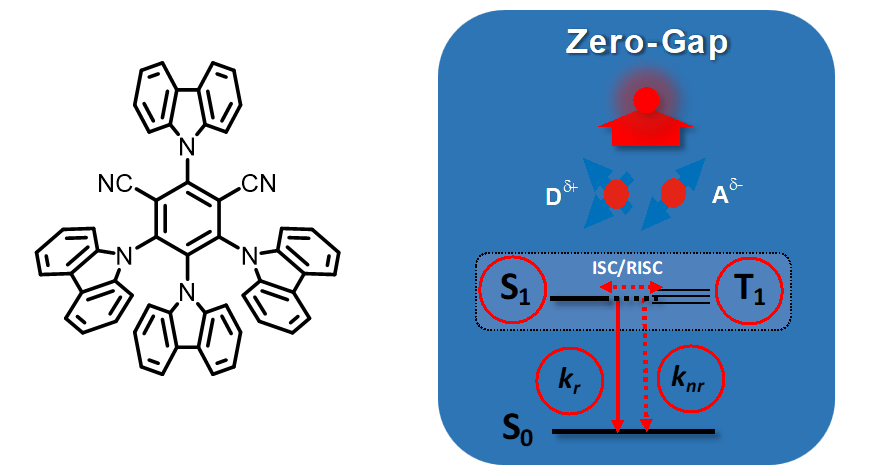
Design and synthesis of new luminescent molecules for the next generation

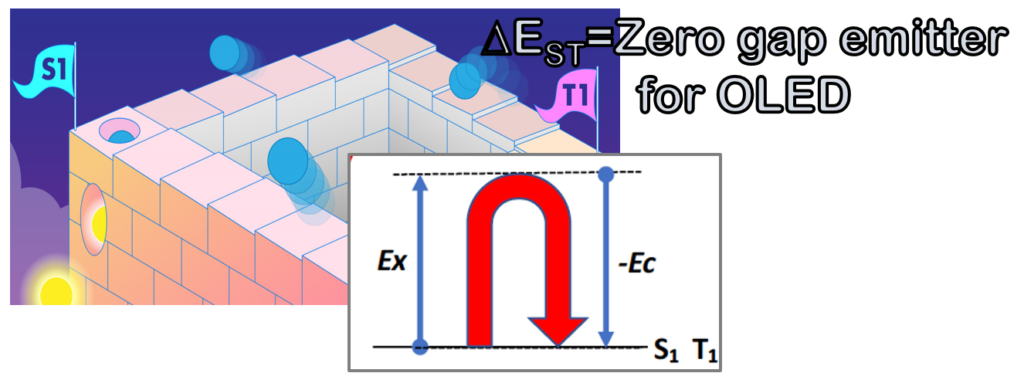
Development of new molecules following fluorescence, phosphorescence, and TADF

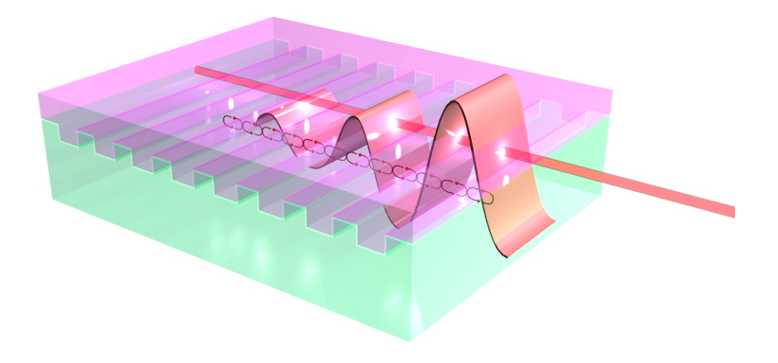
Improvement of performance of organic semiconductor lasers

Development of materials and devices for low-threshold laser oscillation

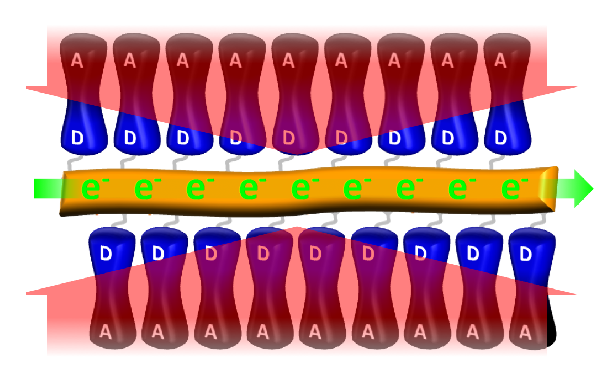
Development of new conductors based on organic/inorganic hybrid structures

Development of new conductors based on inorganic/organic hybrid structures

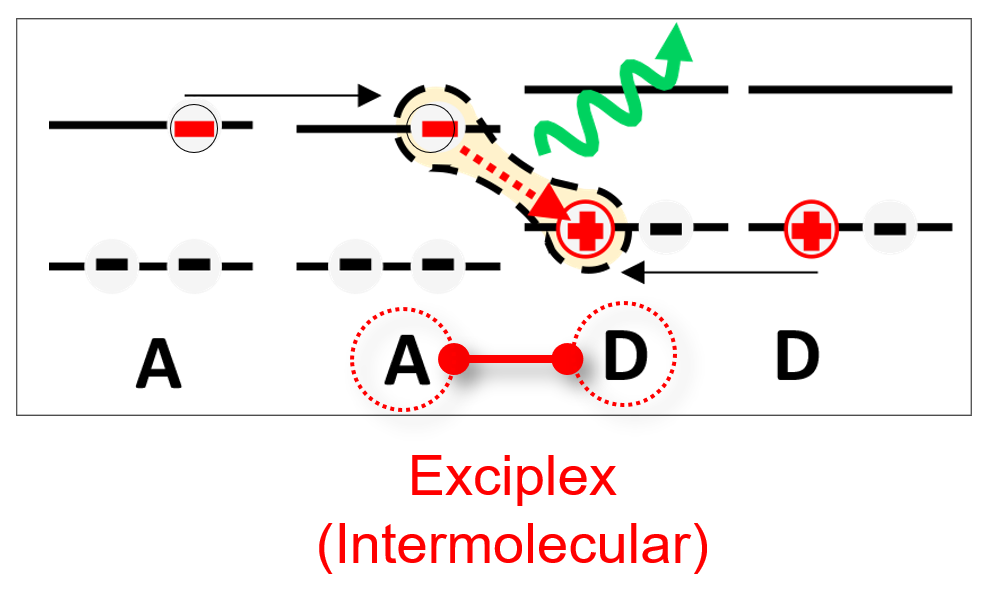
Frontier of organic CT devices

Creation of novel CT-based organic devices

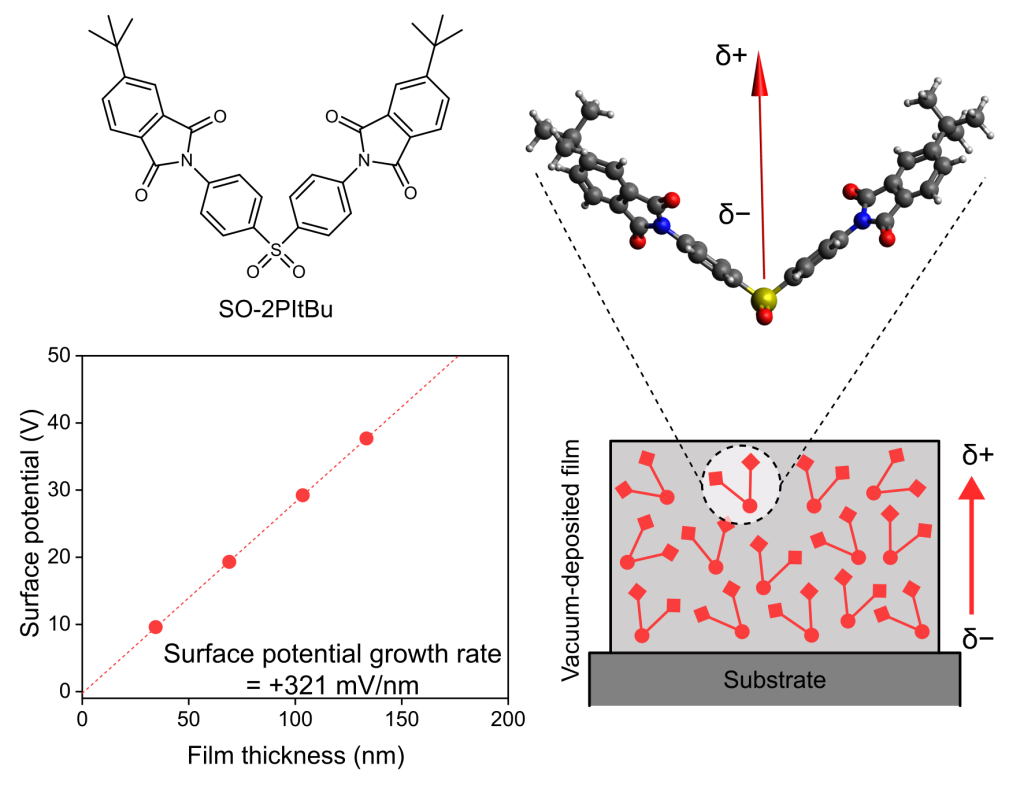
Spontaneous molecular orientation for new functionalities

Novel solid-state functionalities and device applications enabled by molecular orientation control, including spontaneous orientational polarization formation.

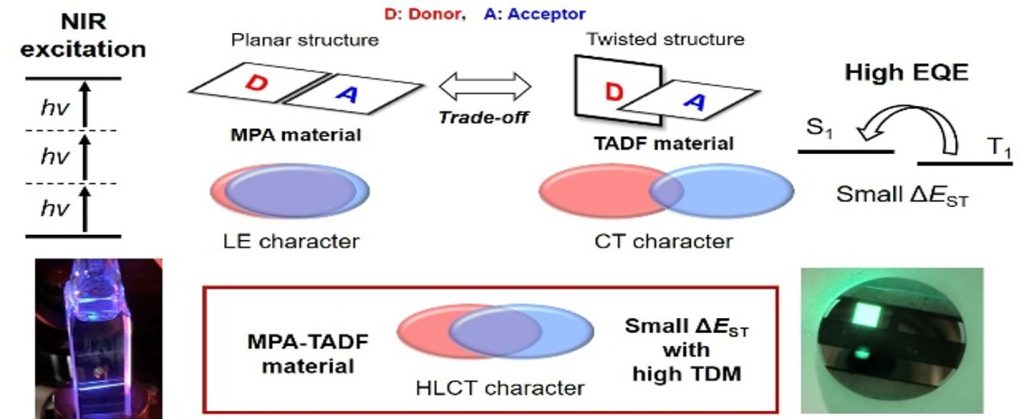
Multifunctional organic emitters combining multiphoton absorption and thermally activated delayed fluorescence (TADF)

We develop multifunctional organic emitters that simultaneously exhibit multiphoton absorption under near-infrared excitation and highly efficient thermally activated delayed fluorescence (TADF) through precise control of intramolecular charge-transfer characteristics and electronic structures. Applications to OLEDs and near-infrared-excited imaging are explored.

Research Methods and Facilities

Design and Synthesis of Next-Generation Novel Luminescent Molecules

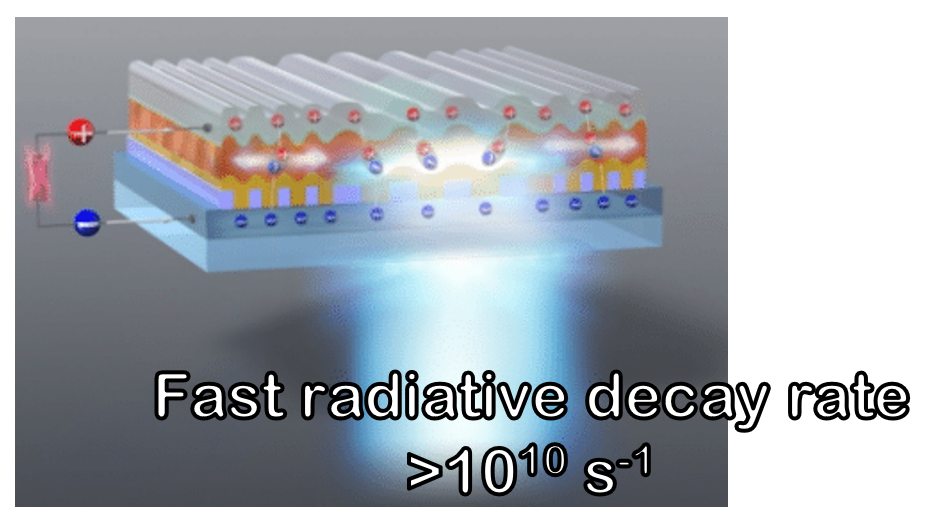
Comprehensive molecular design of advanced luminescent molecules for fast radiolysis, high efficiency, and high durability

Improvement of the performance of organic semiconductor lasers

Advancement of new material design and nanostructured device development to achieve low threshold laser oscillation

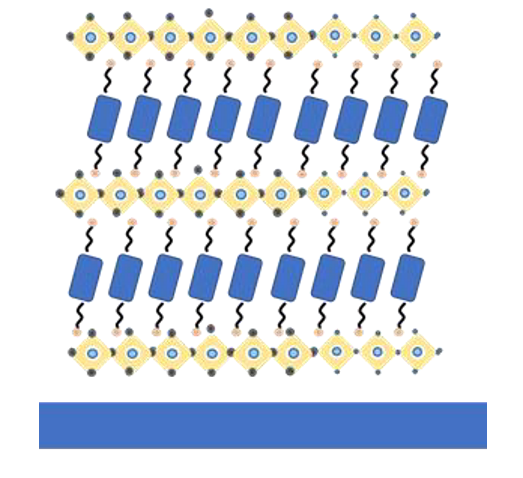
Development of new conductors based on organic/inorganic composite structures

Precise control of orientation on substrates and energy transfer processes

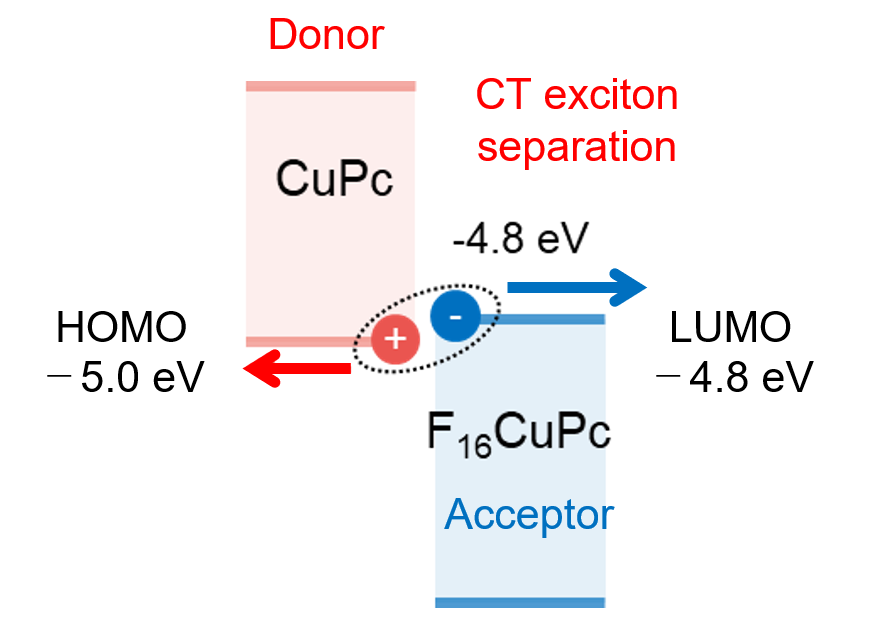
Organic thermoelectric devices utilizing organic CT interface

Creation of thermoelectric devices with a new mechanism by utilizing charge separation at CT interface by heat

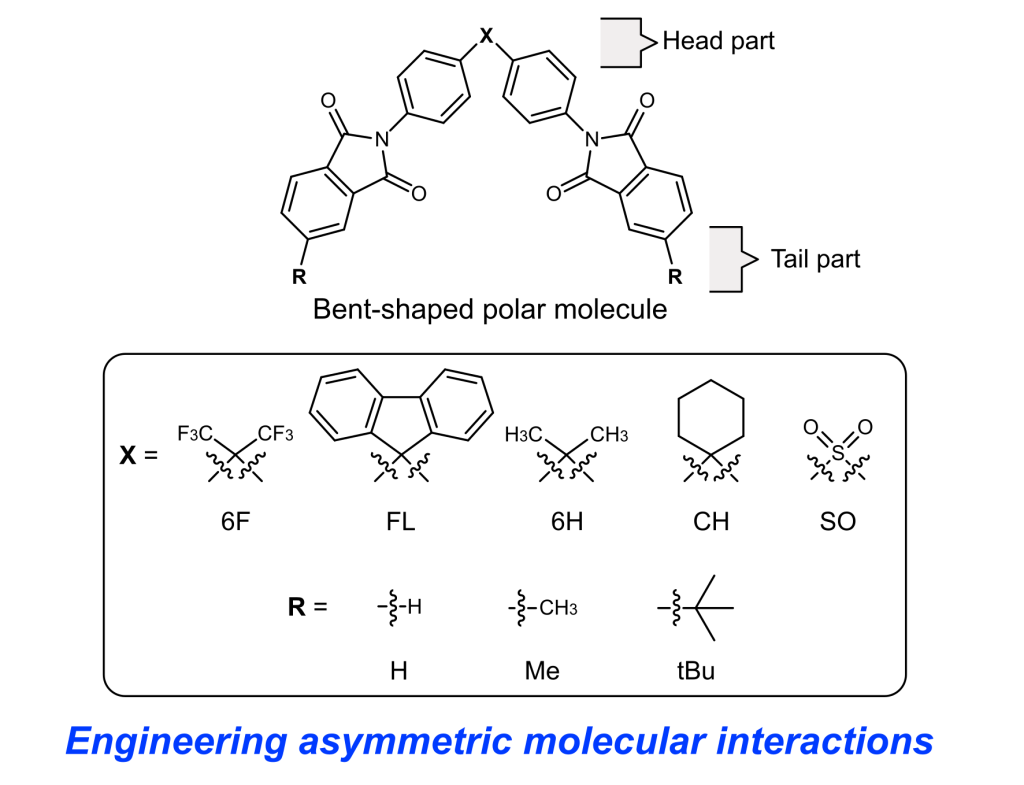
Spontaneously formed orientation polarization films and their device application

Rational molecular design for achieving spontaneous polarization without external-field treatment, and control of the internal electric field in devices through spontaneous orientational polarization.

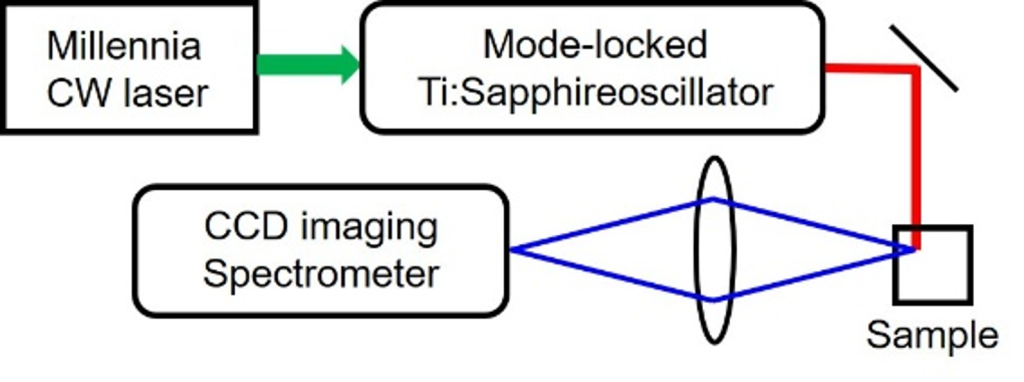
Multiphoton absorption and nonlinear optical characterization

Multiphoton absorption and nonlinear optical properties of organic emitters are evaluated using near-infrared femtosecond laser excitation, including two-photon excited fluorescence measurements. Structure–property relationships governing multiphoton absorption can also be investigated.