I²CNER Research Seeds

  • Electrical Conversion
  • Hydrogen Energy
  • Electric Energy
  • Hydrogen Compounds

Proton-conducting oxides,
Steam electrolysis, Fuel cells, Hydrogen production

Matsumoto, Hiroshige (Associate Director, Lead PI)

Professor & Principal Investigator

Research Outline

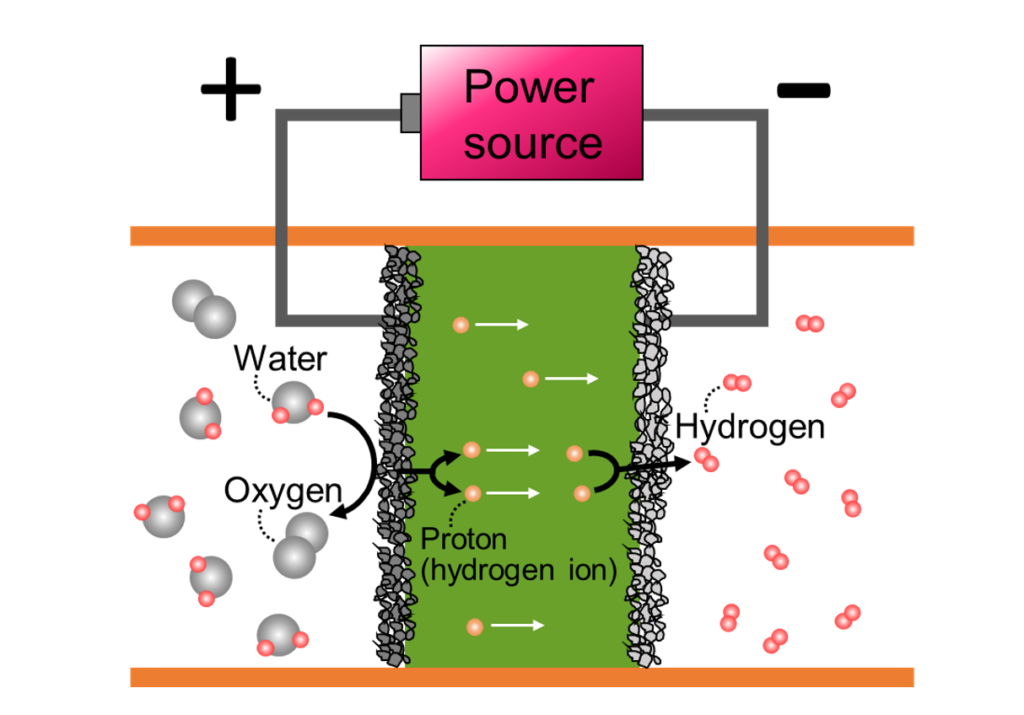
Steam Electrolysis Using Proton-Conducting Oxides

Steam electrolysis has the advantage of higher energy efficiency compared to liquid water electrolysis. By using proton-conducting solid electrolytes, it can be operated at lower temperatures (below 600°C) than conventional methods based on solid oxide cells.

Steam electrolysis for H₂ production
Fuel Cells Using Proton-Conducting Oxides        

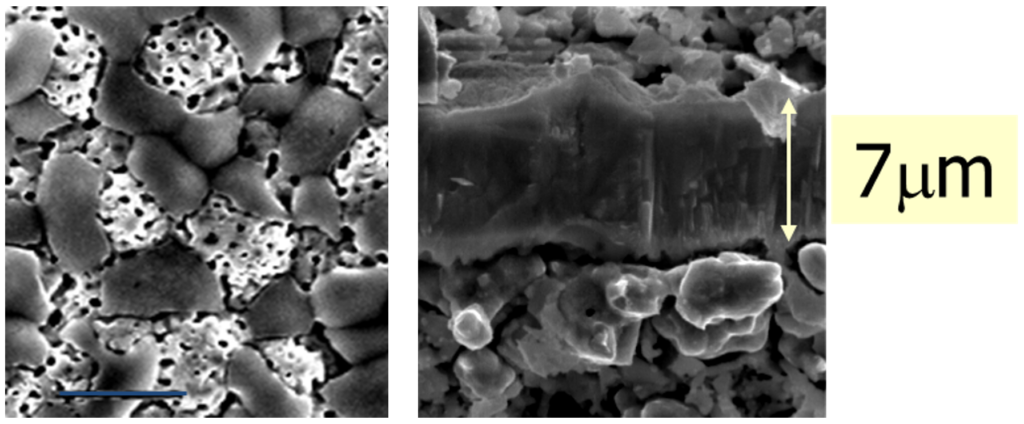
Utilizing proton-conducting oxides, it offers advantages such as reduced operating temperature and improved fuel utilization compared to conventional solid oxide fuel cells using oxide ion-conducting electrolytes such as YSZ.

Microstructure of fuel cell

Research Methods and Facilities

Hydrogen Production and Utilization Using Proton-Conducting Oxides

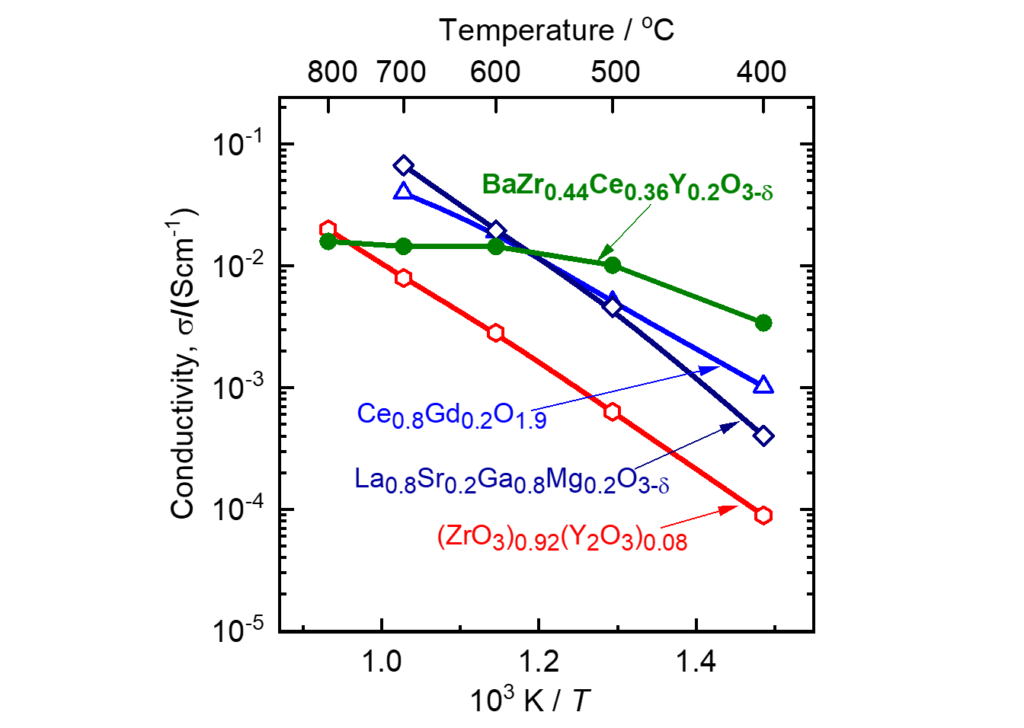
Leveraging the lower operating temperature compared to conventional solid oxide cells and the characteristic of conducting species being ionized hydrogen, research is conducted on hydrogen production via steam electrolysis, fuel cells, membrane reactors and so on.

Conductivity of proton-conducting oxide
Combined Electrical and Thermal Utilization for Hydrogen Production via Water Electrolysis

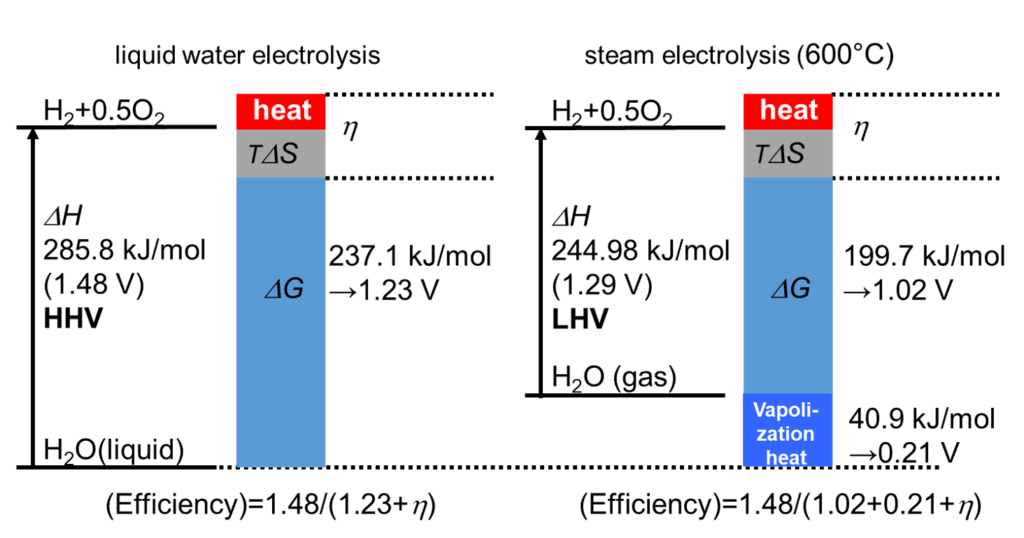
Water electrolysis, practically the only method to produce hydrogen by splitting stable water energetically, is studied in this research aiming to conserve high-grade electrical energy by supplementing a portion of the energy required for electrolysis with heat.

Thermodynamics of water splitting