I²CNER Research Seeds

  • Electrical Conversion
  • Materials / Transport / Heat
  • Hydrogen Energy
  • Electric Energy

Perovskite oxides, Proton-conducting oxides, e⁻/O²⁻/H⁺ Triple-conducting oxides, Solid oxide fuel cells (SOFCs), Proton-conducting ceramics fuel cells (PCFCs)

Hyodo, Junji

Associate Professor

Research Outline

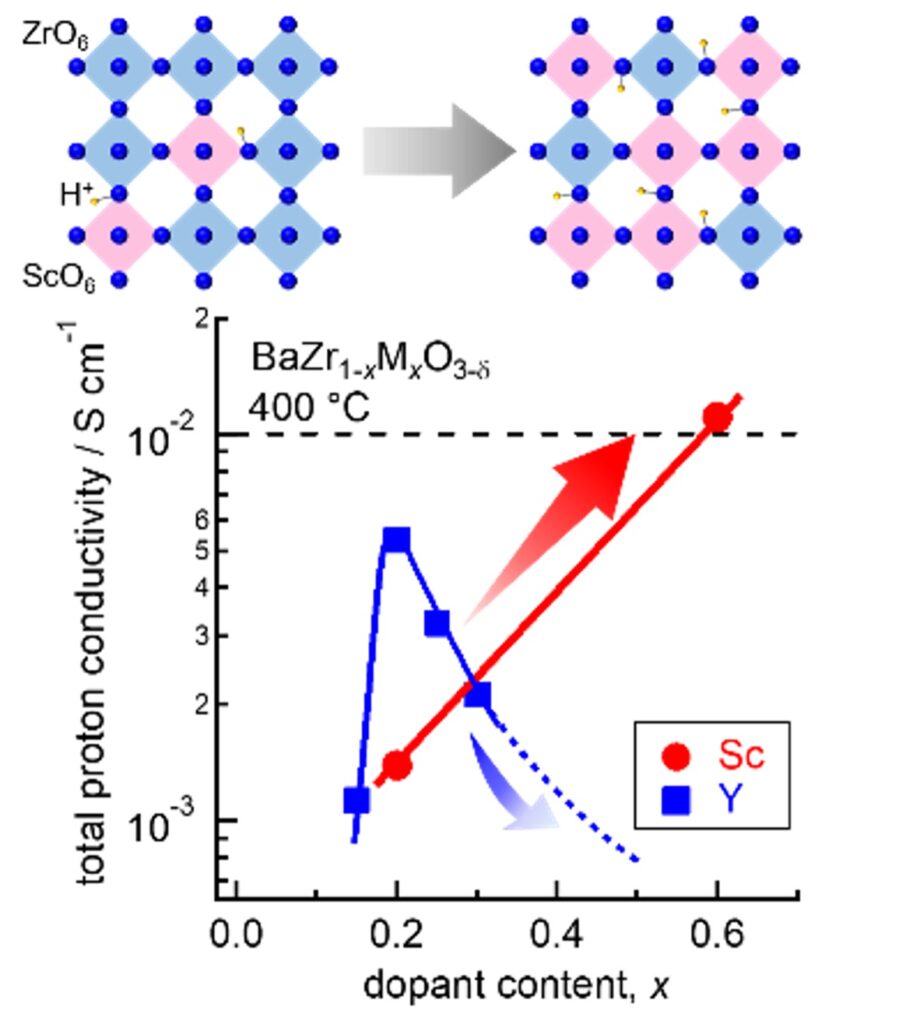
Development of proton-conducting and mixed-ion-electron-conducting materials

Developing novel fast proton (H+) conducting electrolyte materials and e/O2-/H+ triple conducting electrocatalyst materials applicable to fuel cells, steam electrolysis, and membrane reactors

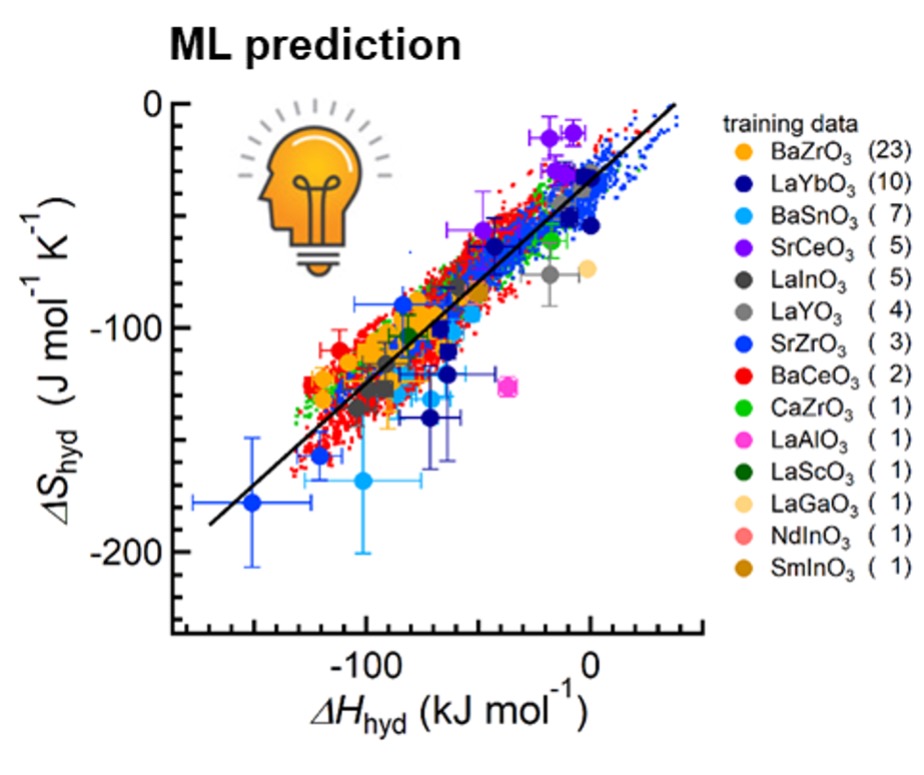
Data Science Driven Materials Development

Efficient material exploration using experimental data and machine learning

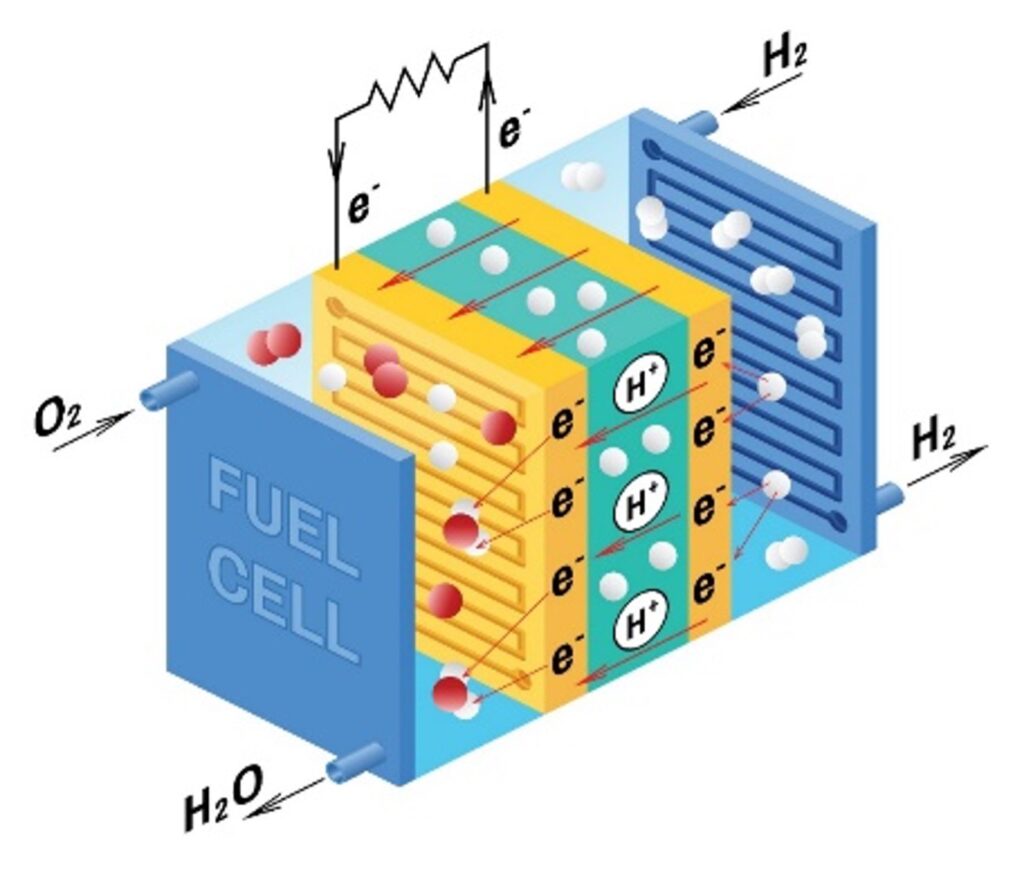
Development of solid oxide and proton-conducting ceramics fuel cells (SOFCs and PCFCs)

Application of novel electrolyte and electrode materials to fuel cells, development of new cell configuration, and optimization of cell fabrication process.

Research Methods and Facilities

Precision material synthesis

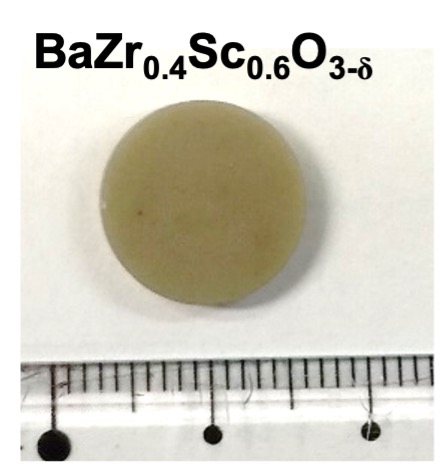
Synthesis of high-quality metal oxides with precisely controlled point defects. We can prepare high-density samples of acceptor-substituted BaZrO3, known as a refractory proton conductor, epitaxial thin films by laser ablation, photocatalysts with precisely controlled cation and anion defect concentration, and anode-supported solid oxide cells.

Precision material property evaluation

We can evaluate physical properties of both bulk and surface properties for developed materials, e.g., Rietveld method for crystal structure evaluation, electrochemical properties, thermogravimetric analysis for point defect concentration measurement, thermodynamic parameter measurement, isotope exchange method for ion diffusion coefficient measurement, ion scattering spectroscopy, and photoelectron spectroscopy.

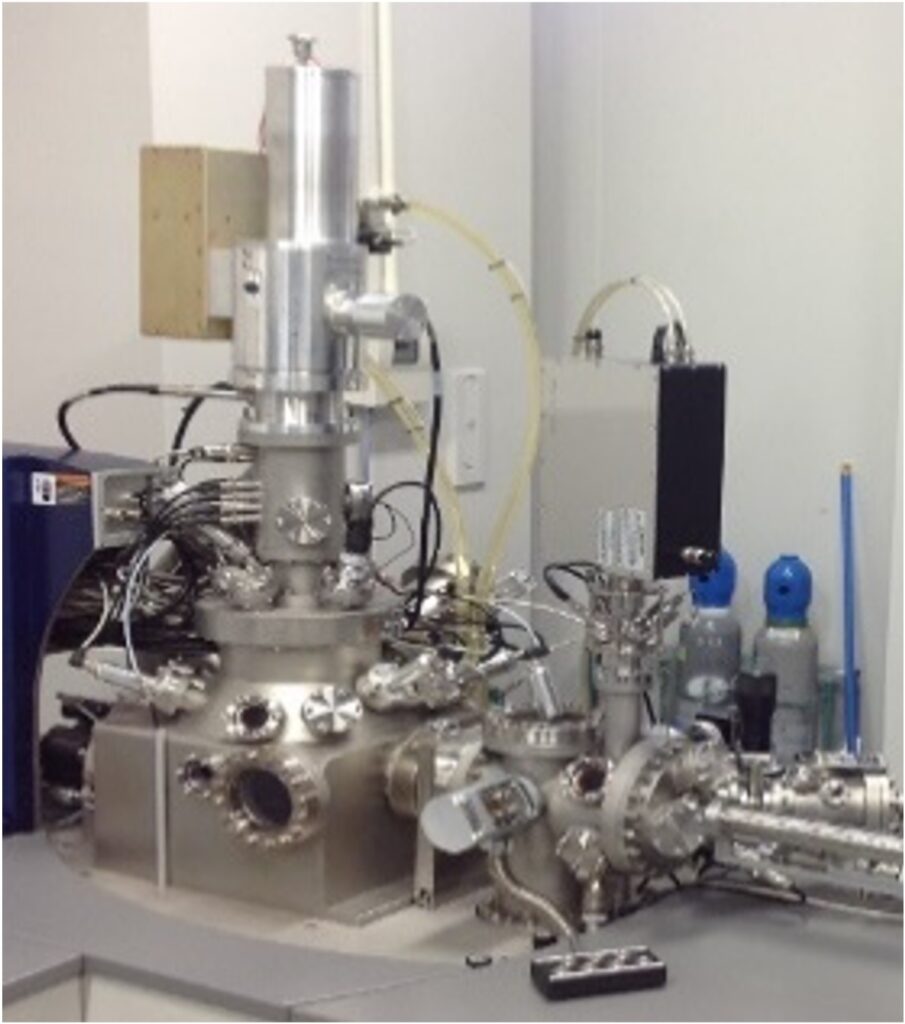
LEIS
Descriptor engineering for machine learning

We propose descriptors that improve the prediction accuracy of machine learning based on our accumulated knowledge of materials science. We construct descriptors necessary for predicting bulk properties of hypothetical materials, taking into account crystal structure, electronic structure, and dominant factors of physical properties.