I²CNER Research Seeds

  • Electrical Conversion
  • CO₂ Separation
  • Hydrogen Energy
  • Carbon Dioxide (CO₂)

Catalyst, Methanol Synthesis,
Fuel cell catalyst

Nakamura, Junji

Research Professor

Research Outline

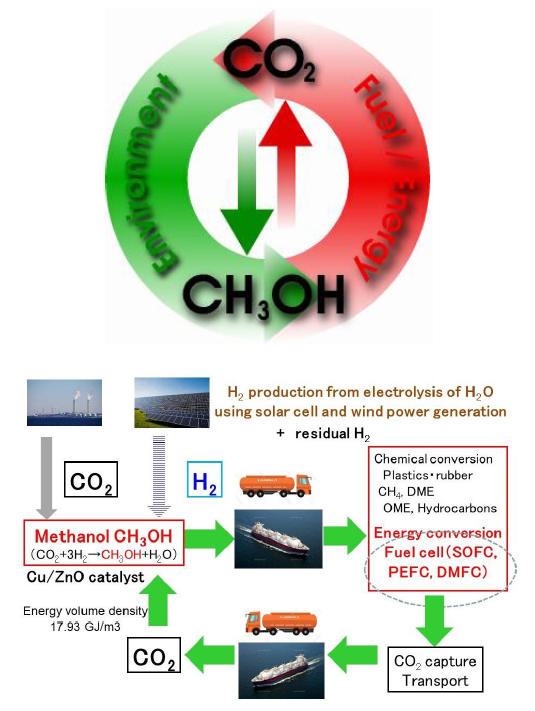
Methanol synthesis from CO₂

We have clarified the active site and reaction mechanism of methanol synthesis using Cu/ZnO catalysts (Nature Chemistry, 2019). Consulting for catalyst system construction is available. I propose a realistic methodology to achieve carbon neutrality. That is a methanol society as shown in the figure. I can provide specific methods and quantitative information.

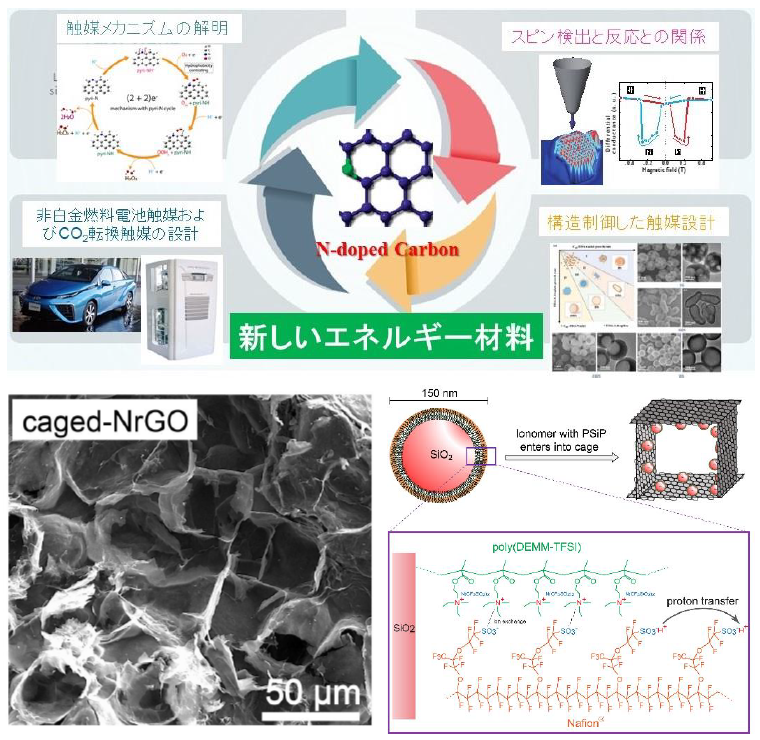
Non-platinum fuel cell carbon catalyst

Metal catalysts are not suitable for energy catalysts, and carbon catalyst development is essential. The active sites of nitrogen-doped carbon catalysts for oxygen reduction were elucidated (Science, 2016). We have also developed the world’s most highly active catalyst. The requirements for an active catalyst are both hydrophobicity and proton conductivity. In the developed catalyst, a proton-conducting substance was introduced into the pores of a hydrophobic cage graphene catalyst, as shown in the figure below.

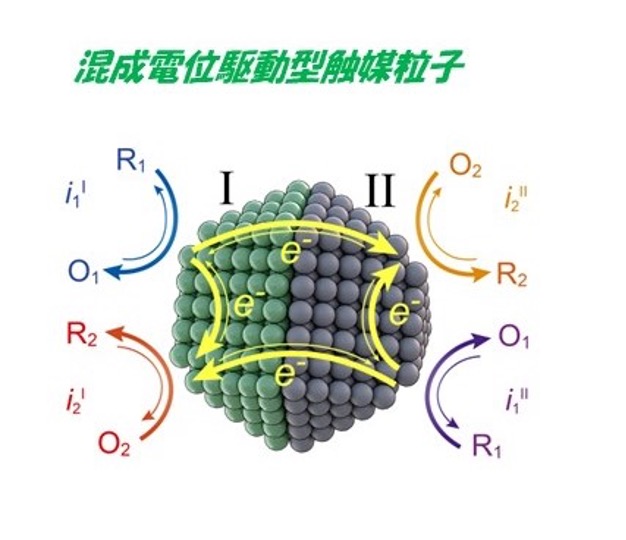
Mixed potential-driven catalysis (new catalytic mechanism)

It is possible to proceed with highly difficult catalytic reactions by converting the free energy drop of the reaction into overpotential without external energy supply.  It is possible to synthesize ethanol from CO₂ without applying an external potential.